CERAMICS IN SPAIN: DISCOVERING THE TOWN OF MANISES NEAR VALENCIA
Spain has a long and rich tradition when it comes to ceramics.
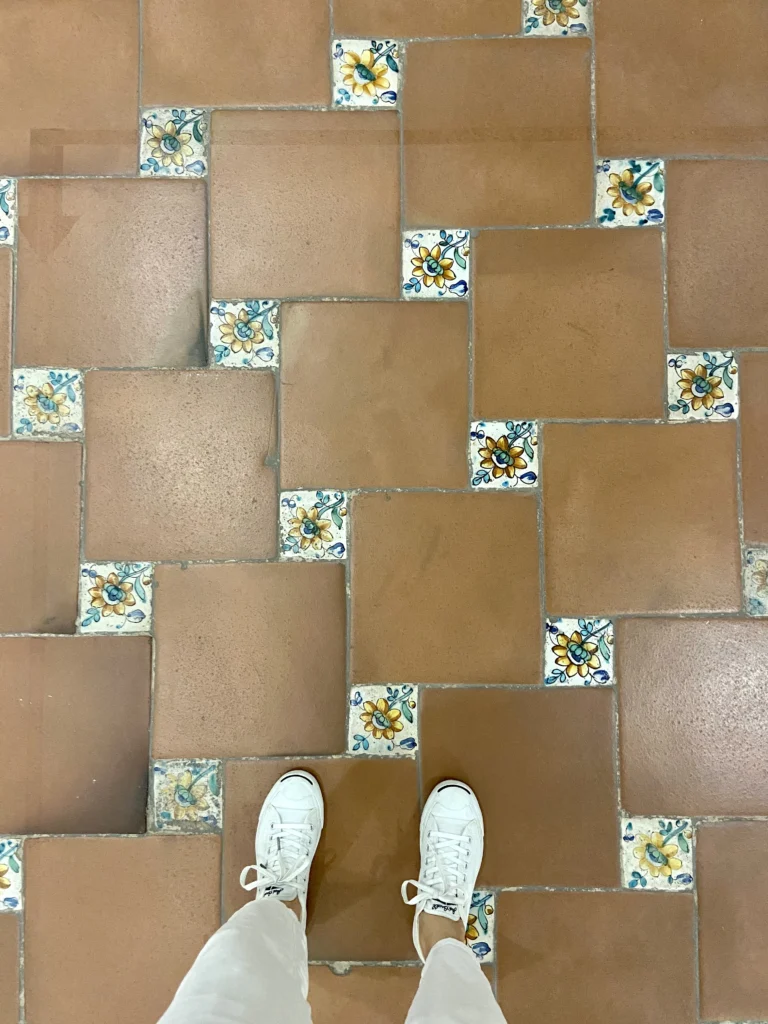
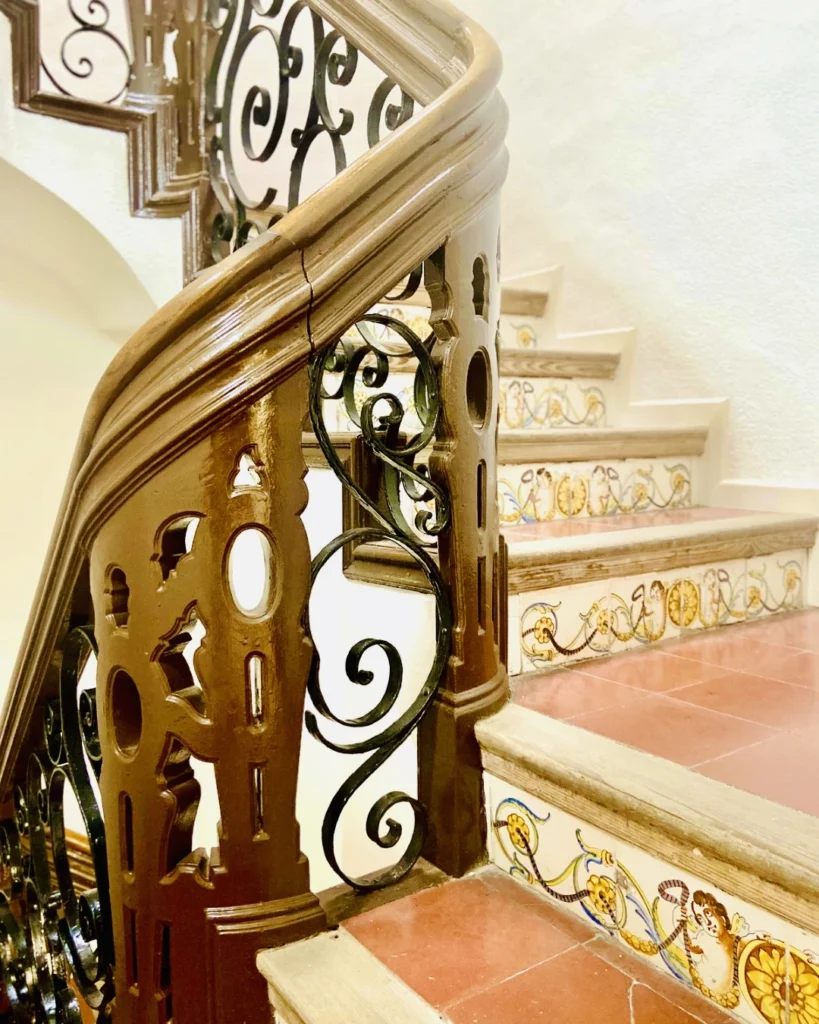
If you travel through the country, you notice it everywhere: colorful tiles on façades, decorative plates on walls, or ceramic street signs that bring color, pattern, and artistry into everyday spaces.
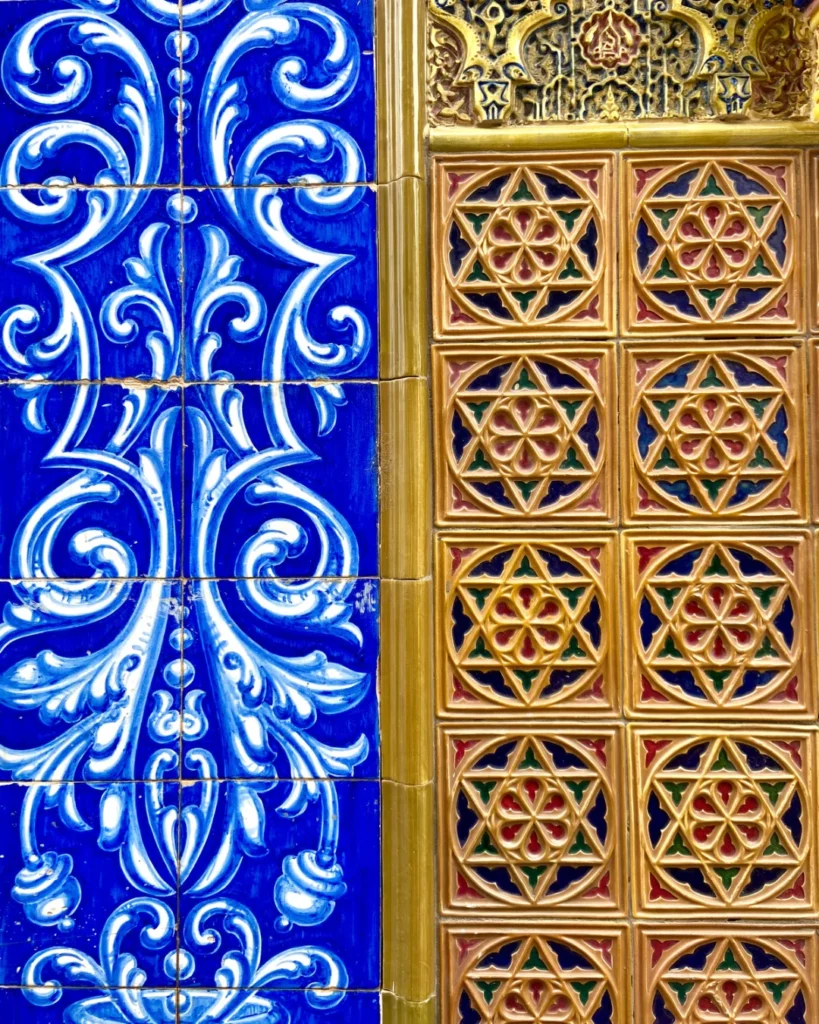
Many of the tiles are known as azulejos, a word that comes from the Arabic al-zulayj, meaning “polished stone”. The influence of Arab craftsmanship on ceramics in Spain goes back centuries, especially in regions like Valencia and Andalucia.
Over time, ceramics became part of the visual identity of Spanish architecture and interiors. Tiles, pottery and decorative ceramic objects are not just ornaments here, they are deeply rooted in the cultural identity of the country.
One place where this tradition is especially strong is Manises, a small town just outside Valencia that has been known for its ceramics for more than 700 years.
A TOWN BUILT AROUND CERAMICS I’ve visited Manises many times, and every time I go, I notice something new. Colors, patterns, textures and history seem to appear around every corner.
Manises has been producing ceramics since the Middle Ages, when Muslim craftsmen introduced advanced pottery techniques to the region. Over time, the town became famous for its ceramics decorated with metallic reflections that were exported across Europe.
But what makes Manises interesting today is not only its history but the fact that ceramics are still very present. You see it in the small workshops, in decorative tiles on buildings, and especially in the Ceramics Museum of Manises.
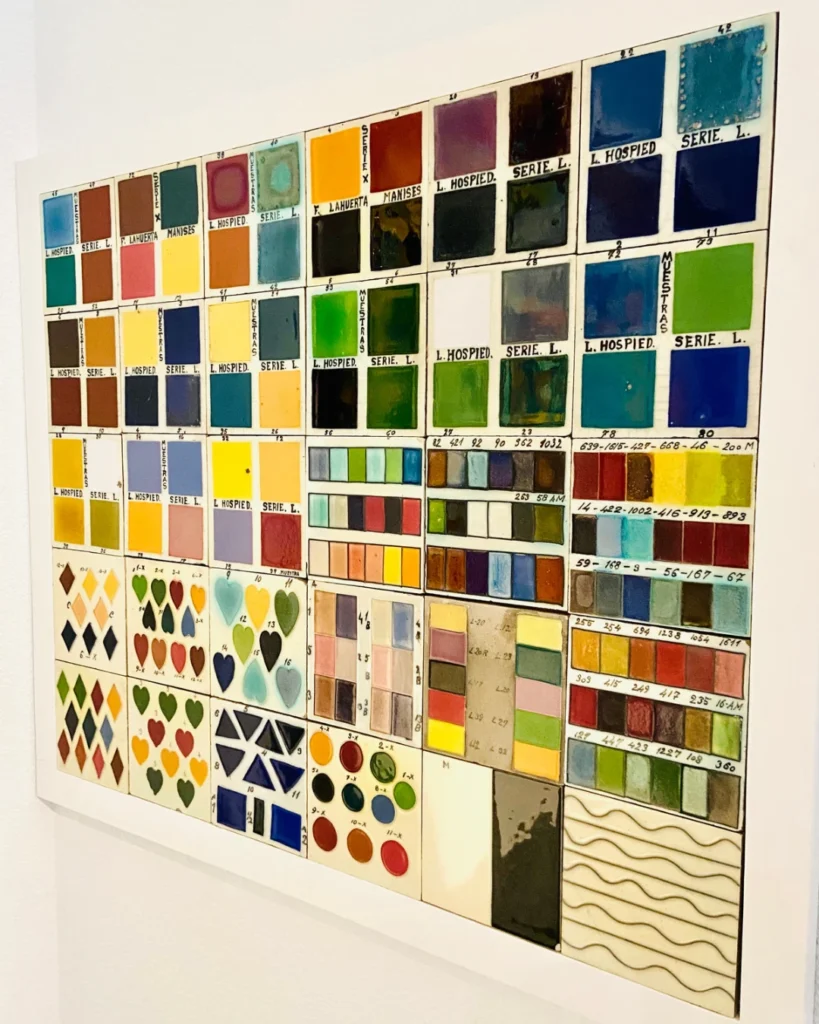
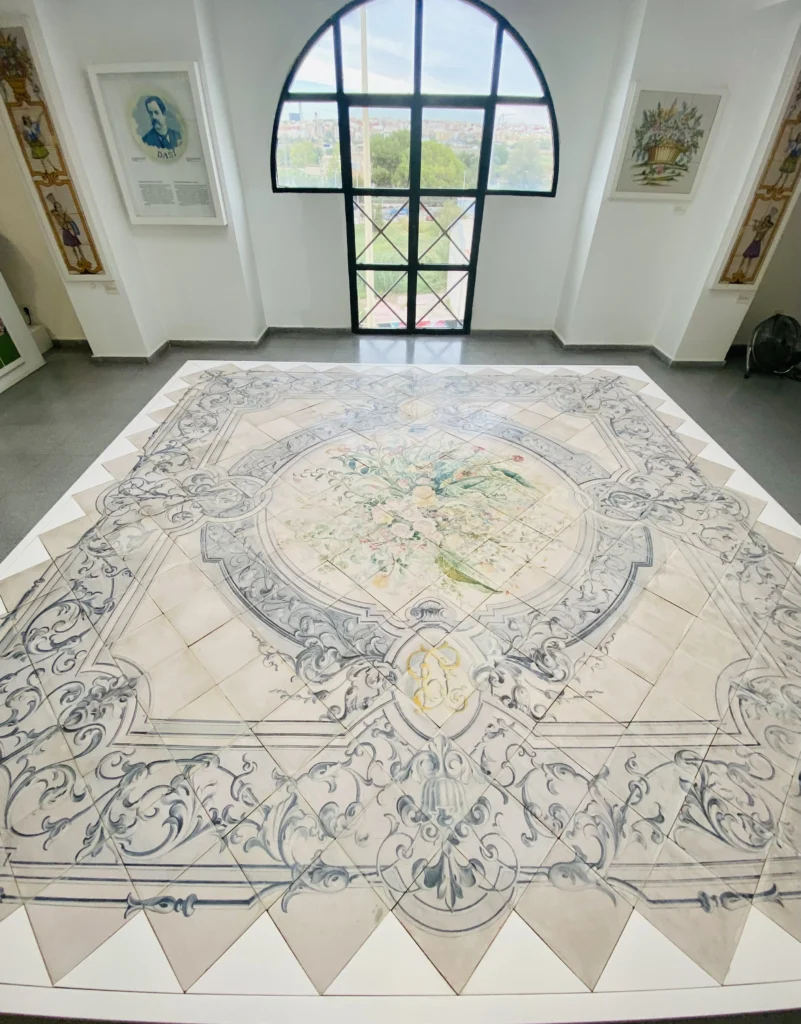
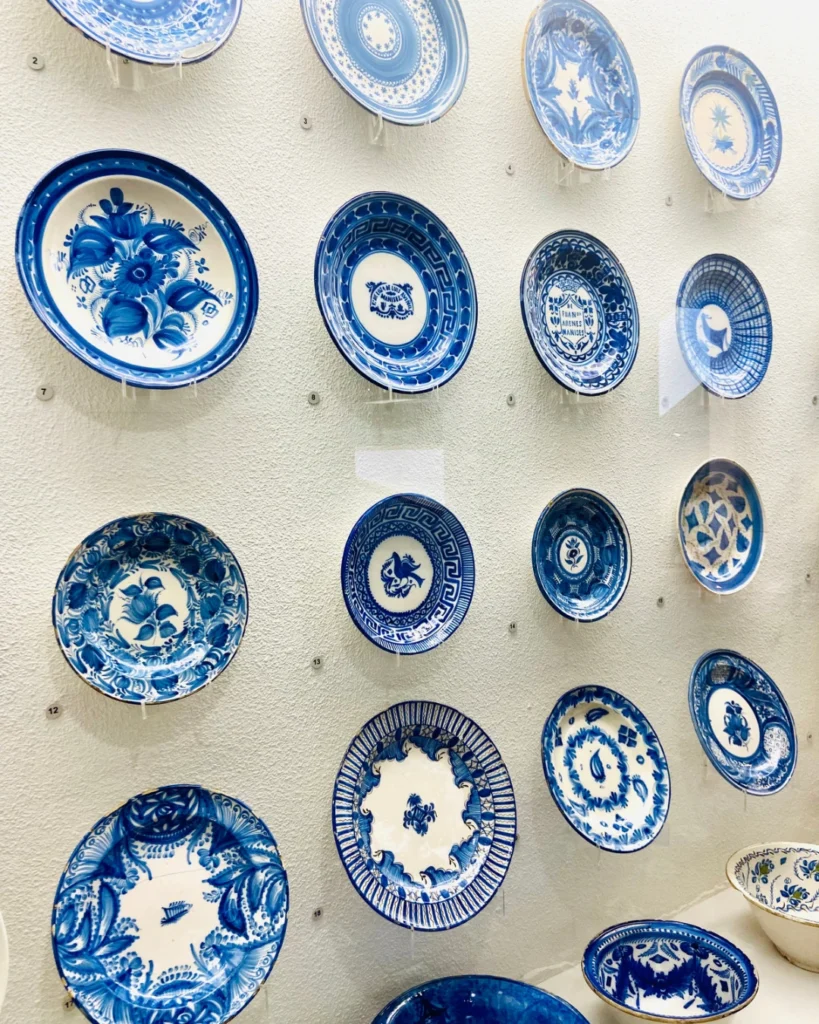
THE CERAMICS MUSEUM: A SOURCE OF DESIGN INSPIRATION: The museum is a place I always enjoy returning to. It tells the story of how ceramics evolved in the region, from traditional plates and tiles to more contemporary pieces.
Walking through the rooms, what stands out most is the richness of color and decorations. The pieces are detailed, and beautifully crafted. Some feel almost architectural, others just decorative, but all of them show how important ceramics have been for this region.
It’s also a reminder that many of the decorative elements we use in interiors today come from traditions like this one. Design constantly looks back to move forward. In many ways, what feels new today is often a reinterpretation of something that has been around for generations.
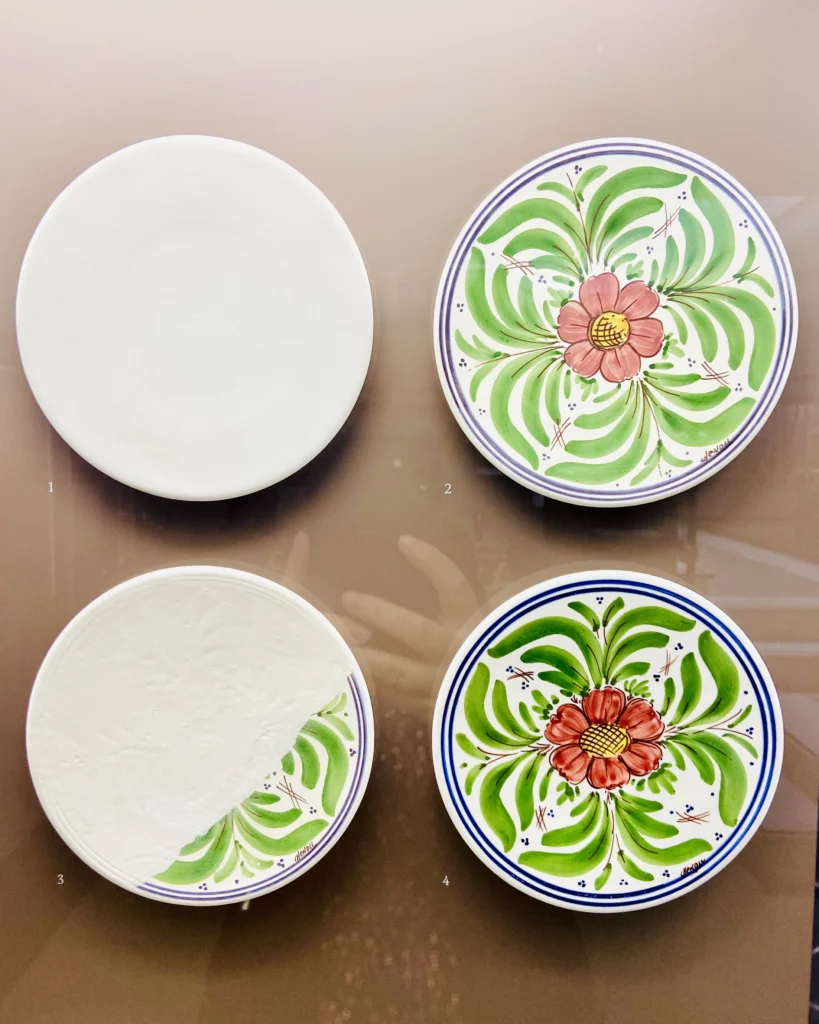
SMALL WORKSHOPS WHERE CERAMICS ARE STILL MADE: Another thing that makes Manises special is that ceramics are not only preserved in the museum. The craft is still alive. There are many small workshops where artisans continue working with clay, experimenting with glazes, colors and shapes while keeping traditional techniques alive. This connection between past and present is what makes the town so fascinating to visit.
Every time I visit Manises, I find something different: a detail I hadn’t noticed before, a new piece in the museum, a workshop I hadn’t seen. For someone interested in interiors, color and materials, it’s an endlessly inspiring place. Ceramics here are part of a much larger story about craft, tradition and design.
All photos were taken during my visit to Manises, a place that keeps surprising me every time I return.